The first H9 pistol was from a short-lived company called Hudson. Tiwas a cool, space-age looking pistol — like something out of Blade Runner. The company died off from money issues, but Daniel Defense, known for the AR platforms, quietly picked up the IP and reengineered the pistol to get it to work better. Except, apparently, for a small number of the guns, it really didn’t work better.
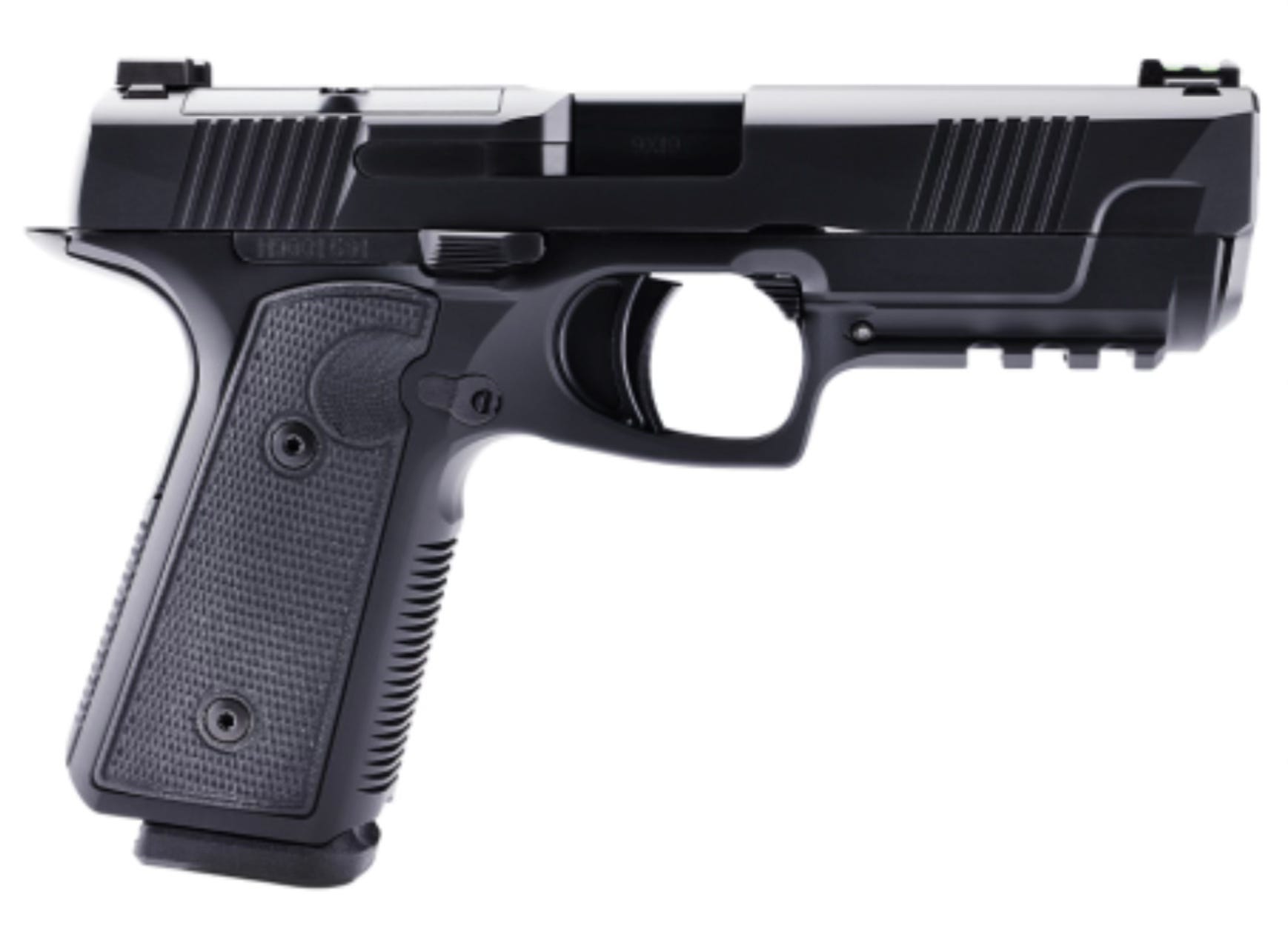
Complaints of failure to go into battery, keyholing from the polygonal barreling, uncomfortable spots in the grip — there was a litany of complaints that hit the internet. And for a pistol coming in at $1300 MSRP, that’s not good. Worse, the initial response had that “You’re holding your iPhone the wrong way quality”. That said — they made good on their lifetime warranty and repaired/replaced the damaged units, then went back to testing and reworked the barrel, recoil spring, grip, and while the changes are subtle, they are there. I’d handled the original and the newer generation (?), and I liked it. But not $1300 liked it.
Then they did the smart thing a few months back: they lowered the price to $999.
We had some gun grabbing stupid happening here in my state, so I decided to jump on one of these before they tried to turn us into East California. I got mine ordered in by the excellent folks at Workhorse Armory here in Albuquerque, New Mexico. $980 with tax and shipping.
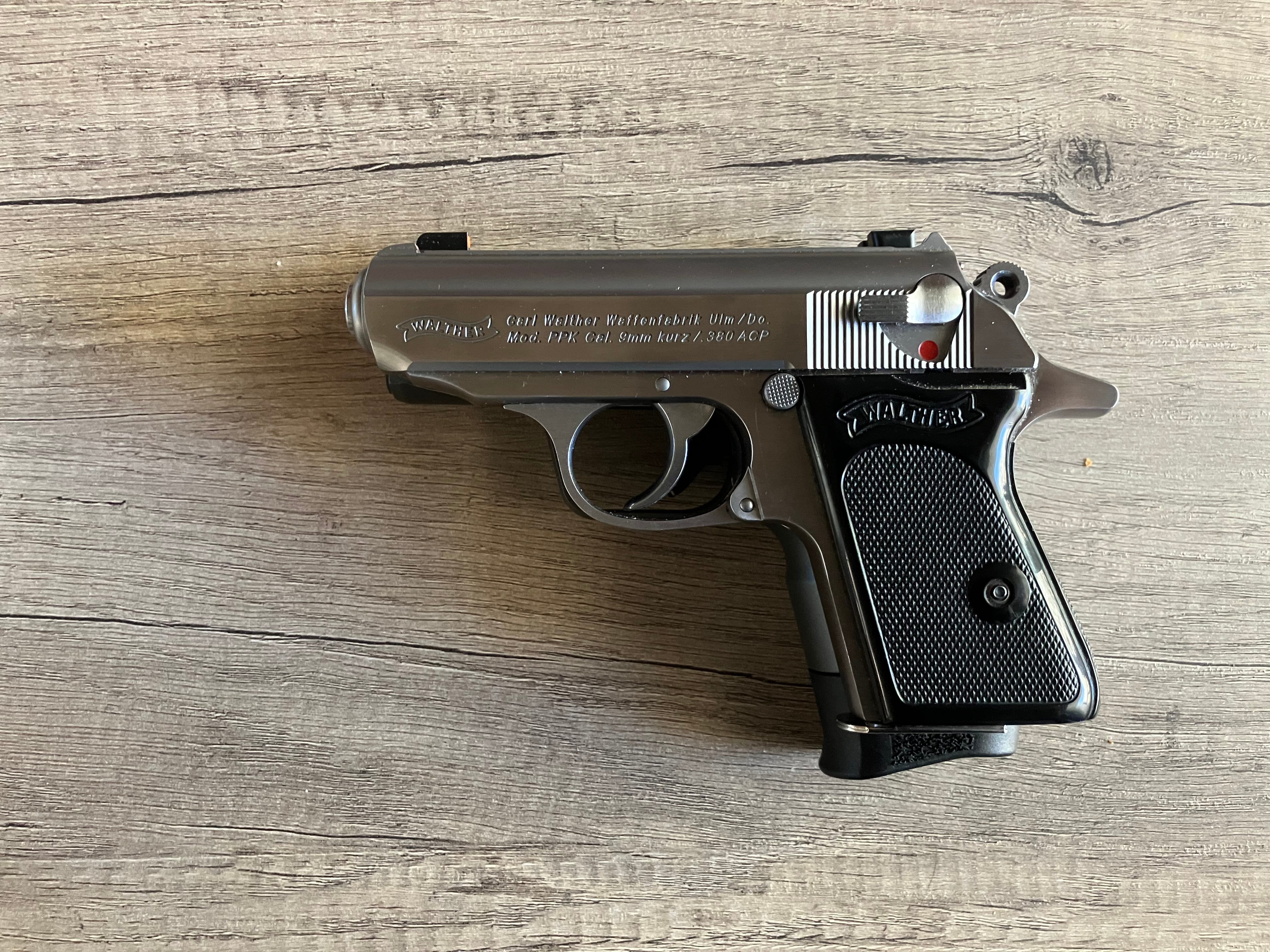
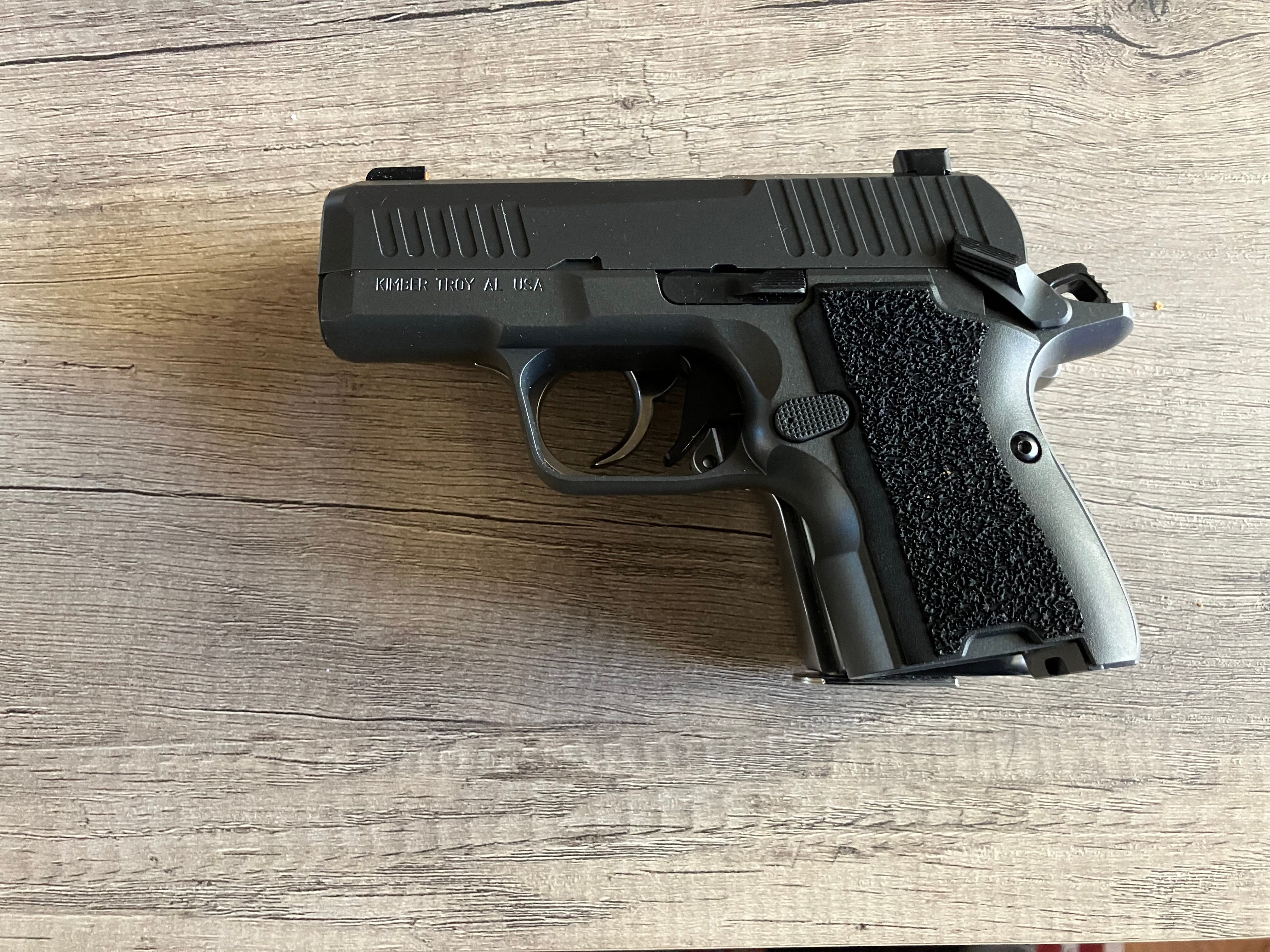
When I got it in, I decided to do a combination of function test and accuracy comparison with my current favorite carry, the Alpha Foxtrot 1911-S15, and my old reliable, the CZ-85 (an ambi CZ-75.) They are all roughly the same size, with the CZ-85 being the longest by half an inch on the H9, a quarter inch taller, and a touch wider and six ounces heavier. The S15 is a touch shorter in length and grip and an ounce lighter than the H9’s 29.6 oz. empty.
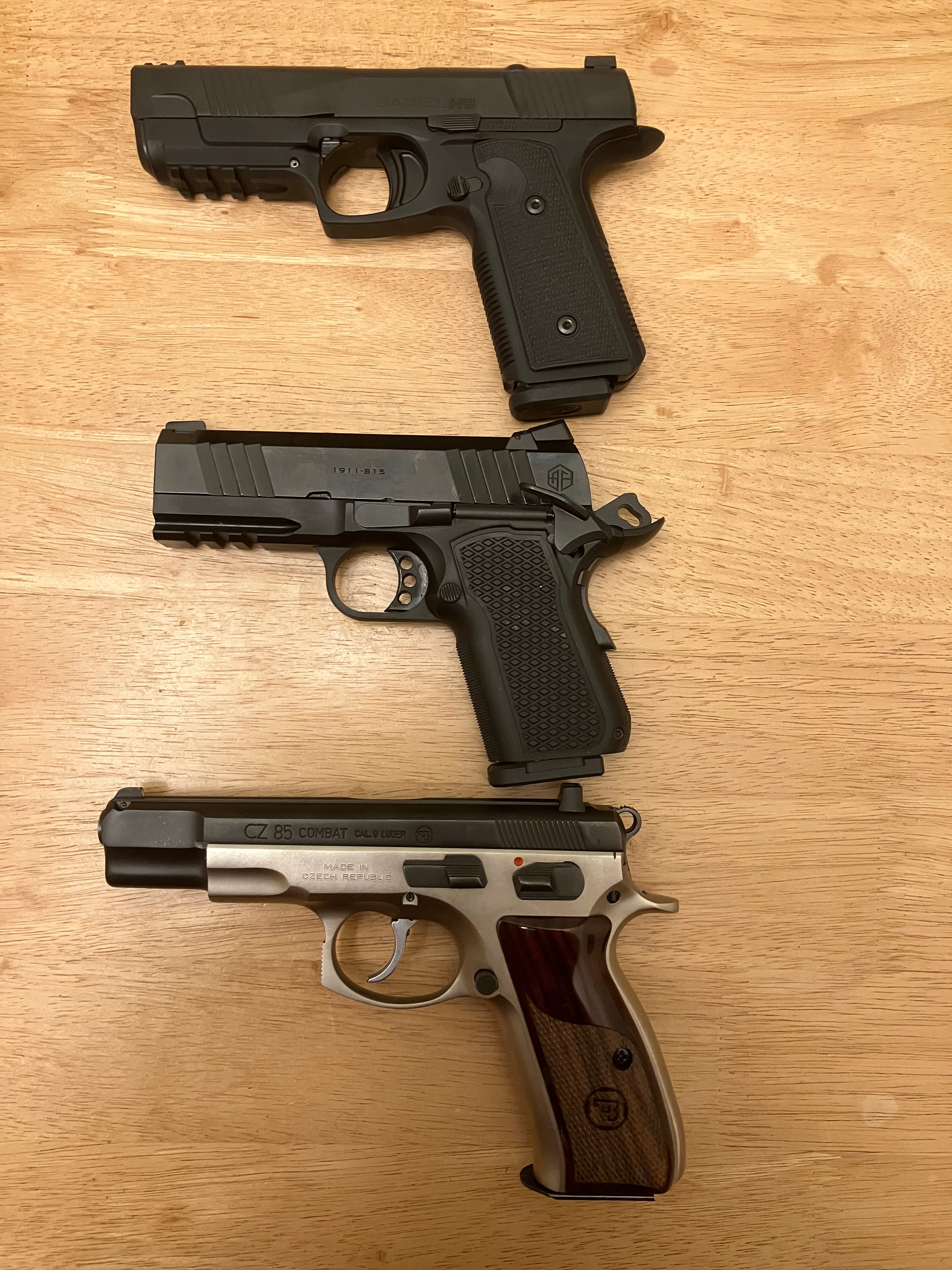
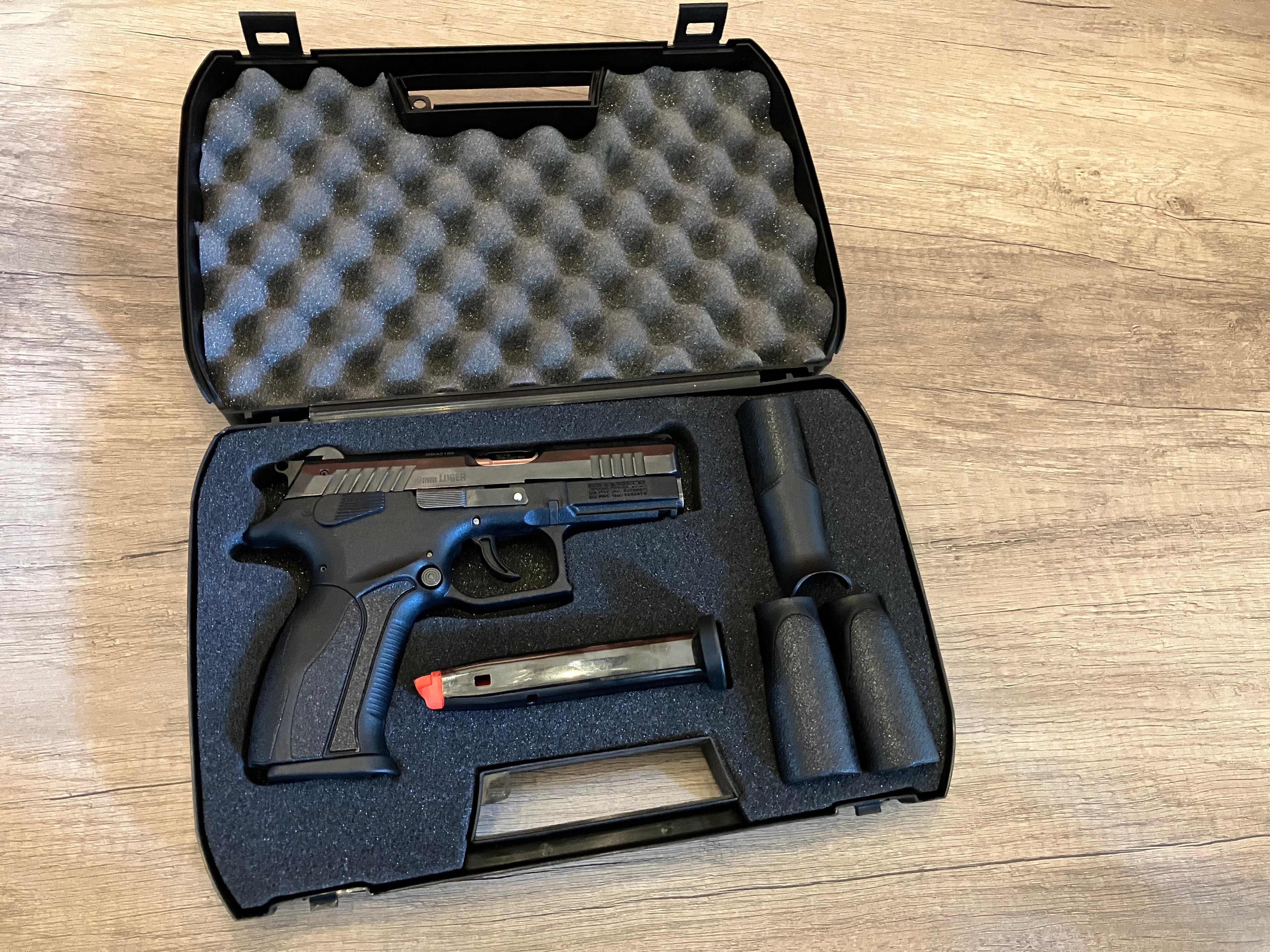
The H9 has an 7075 aluminum frame and G-10 grips, a stainless steel slide with DLC coating, and a cold hammer forged barrel with a 1:10 twist in standard lands/grooves. It’s optics ready, has a short pic-rail on the dust cover, ambi slide releases and an external extractor. Workmanship is top notch. I’m not much on the anodized finish on the receiver, but it does seem to hold up well. The DLC coating on the slide is robust — as it is on the Alpha Foxtrot. After 500 rounds, there was no appreciable wear on the slide surfaces, and the barrel was perfect. A bit of wear on the finish was seen on the ramp where the barrel meets the frame, but well within what you see with most modern handguns. You actually get three magazines with it, so kudos to DD for that — they are 15 rounds if you’re not in a crap state.
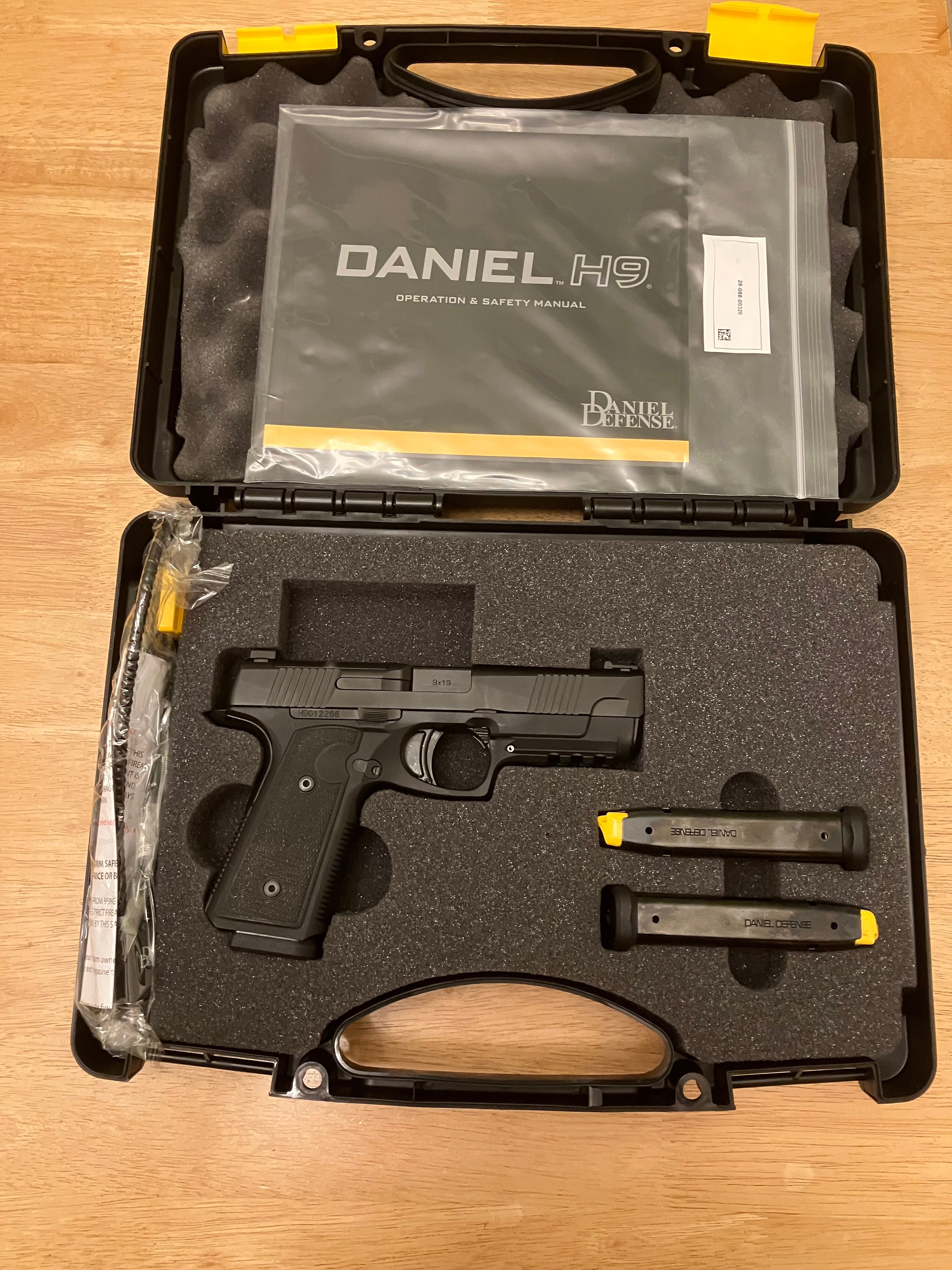
I had time to test it out that weekend, so the daughter and I went and put it through its paces. It’s a metal gun — clean it and lube it properly before you hit the range.
The sights are a green fiber optic front and U-notch rear, which I like. At the usual seven yard mark, the H9 drilled a single inch-ish big ragged hole for me — full magazine — with about a two inch drop. That drop would go away, once I got used to the grip angle about two mags in. My daughter did a group of about the same size with a few flyers, but still inside two inches in the nine ring. By comparison, the S15 and CZ-85, both of which I have loads of trigger time on, both shot slightly larger groups, with the CZ pulling to the support hand about a half inch.
It is supposedly zeroed for 25 yards, and with 124 grain ball, it was printing just a hair under point of aim at that range. At that range, taking her time, my teenage girl was able to get a 2” group, free-standing. (I did not do as well…)
Taking my time, I got ridiculously good groups out to 15 yards. Going fast — and it does like to run fast — I could still keep it all in the ten-ring. There’s complaints about the “upside down” Glock-style trigger safety. Once you’re shooting, you don’t notice it, at all. It has a bit of take-up, breaks clean, and resets with a very short travel. It feels like a standard quality 1911 trigger. It was about on par with the S15, and much better than the old CZ. Weirdly, after about six rounds, I felt like I slowed down when trying a mag dump — not the gun, me.
Recoil impulse is as good as advertised. Both the daughter and I noted the strongest muzzle flip with the CZ-85, not the S15 (which was what I thought would pop most). Recoil impulse is straight back, then up. The barrel does sit closer to the hand than the S15, and maybe just a touch lower than the CZ. This is supposedly due to the geometry of the bore axis and spring set-up, but I suspect it’s just as much that the weight of the pistol is slighter toward the nose. Double taps were fast, and strings up to six or seven rounds, as well…then that weird slow down for me, not much, but noticeable. Pretty certain I’m compensating for a change in the weight balance or how the grip is sitting in the hand. She did not notice this at all.
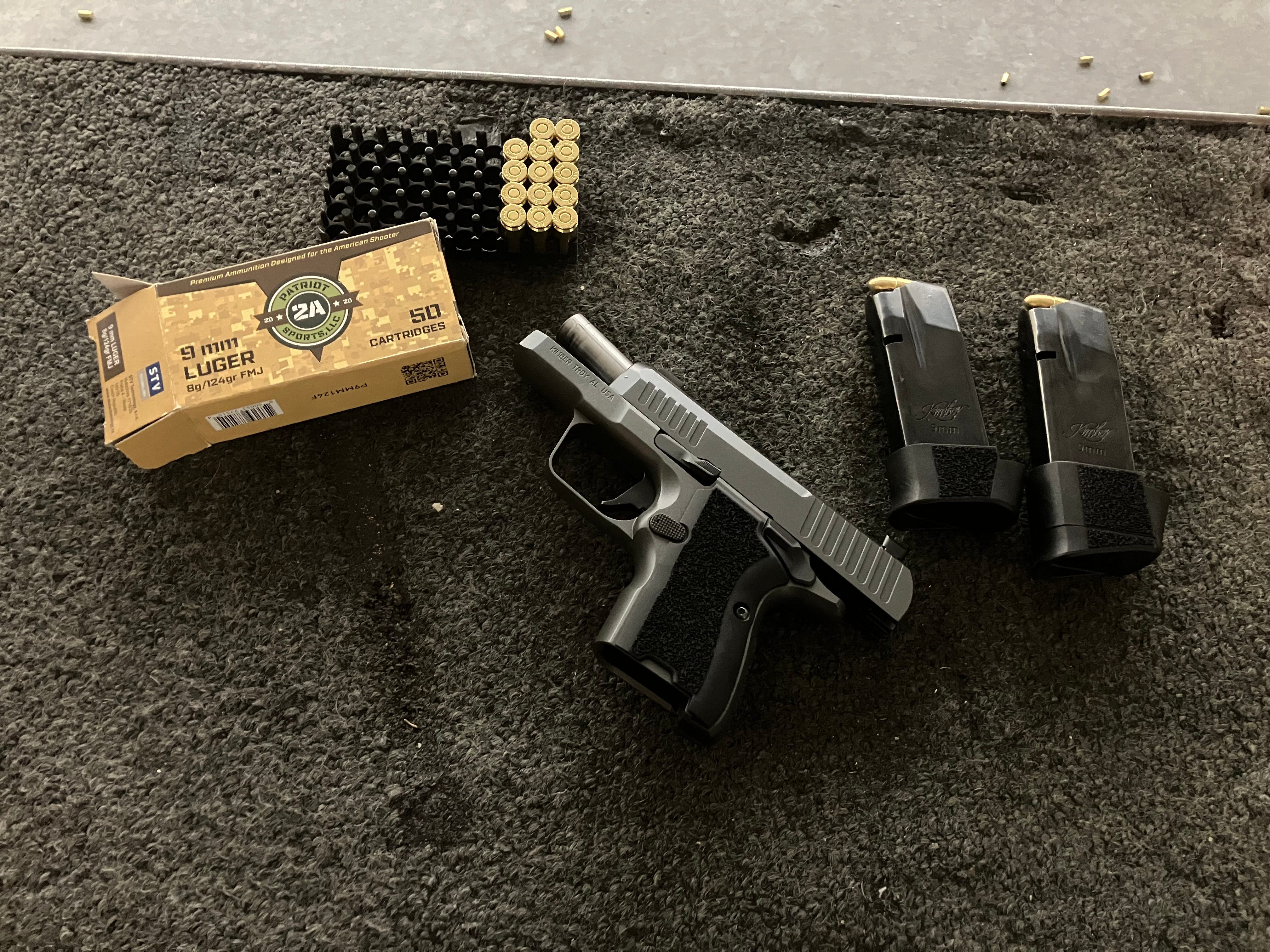
We shot 300 rounds of STV’s Scorpion 124 grain ball (solidly good practice ammo), 100 rounds of STV’s Patriot 2A 124 grain ball (cheap…and hard primers mean the occasional failure to fire), 50 rounds of decent Remington 115 gr,, and 50 rounds of Underwood 125 gr. XTP. Zero issues with extraction, accuracy, no keyholing, no failures to feed or go into battery. The only issue was with the Patriot ammo, but that also had a failure to fire on the first strike with the S15, but also the CZ…and that thing has never malfunctioned on me. So I’m discounting the three no fires on those rounds.
So, is it worth it? At $1300? Maybe, maybe not. At $999 or a touch lower? Absolutely! The grip is comfortable and points naturally, like an old Browning Hi-Power. Recoil is reduced from other 9mm pistols in the size range. It bloody shoots! Fast, accurate, light enough to carry concealed (and if I can find a damned lefty holster for it, I just might…) 500 rounds, starting with +P hollow points, and working down to the 115 Remington — no problems, and at clean up we found the Patriot left the pistol absolutely filthy, but still…it had run flawlessly.
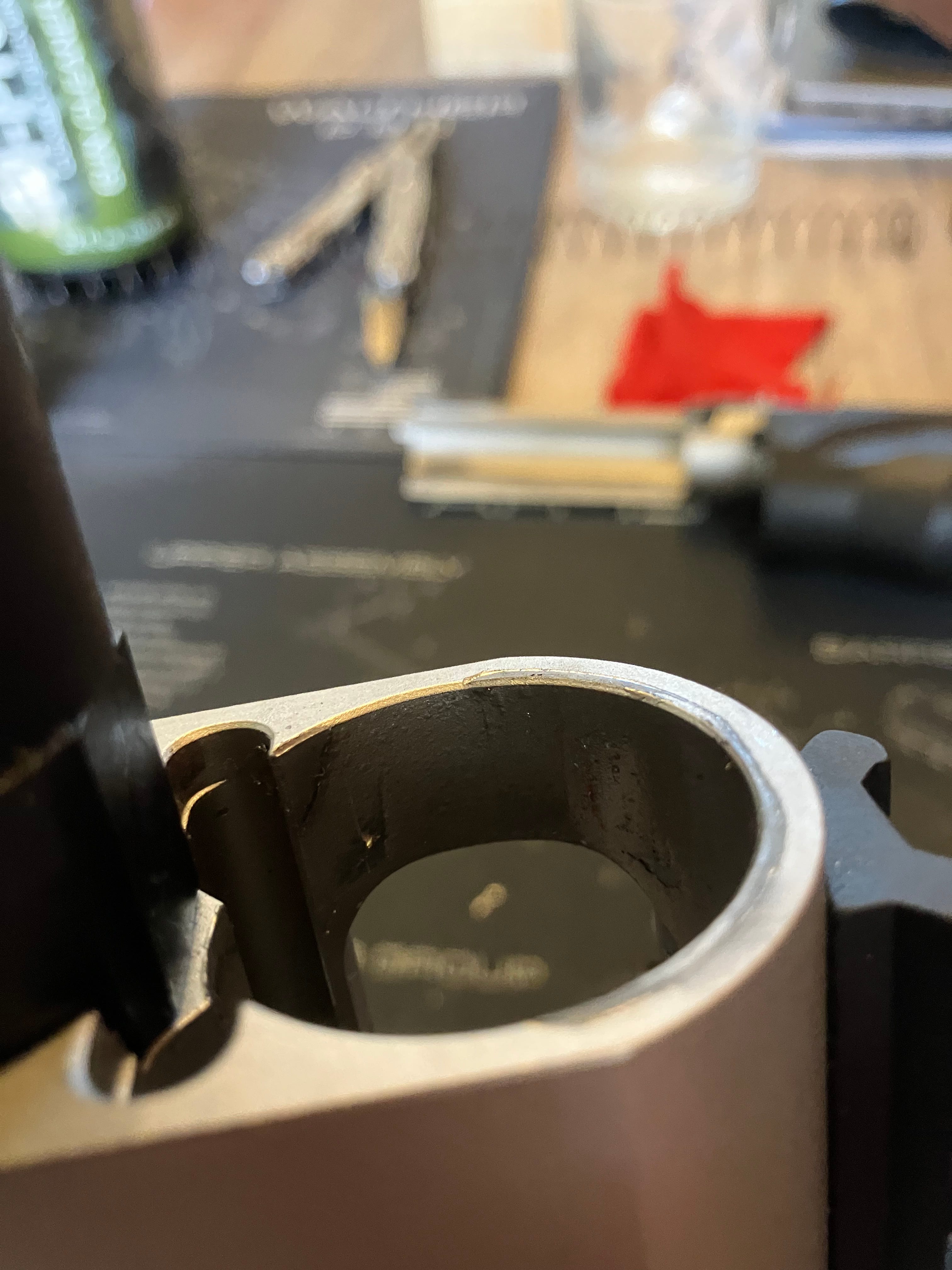
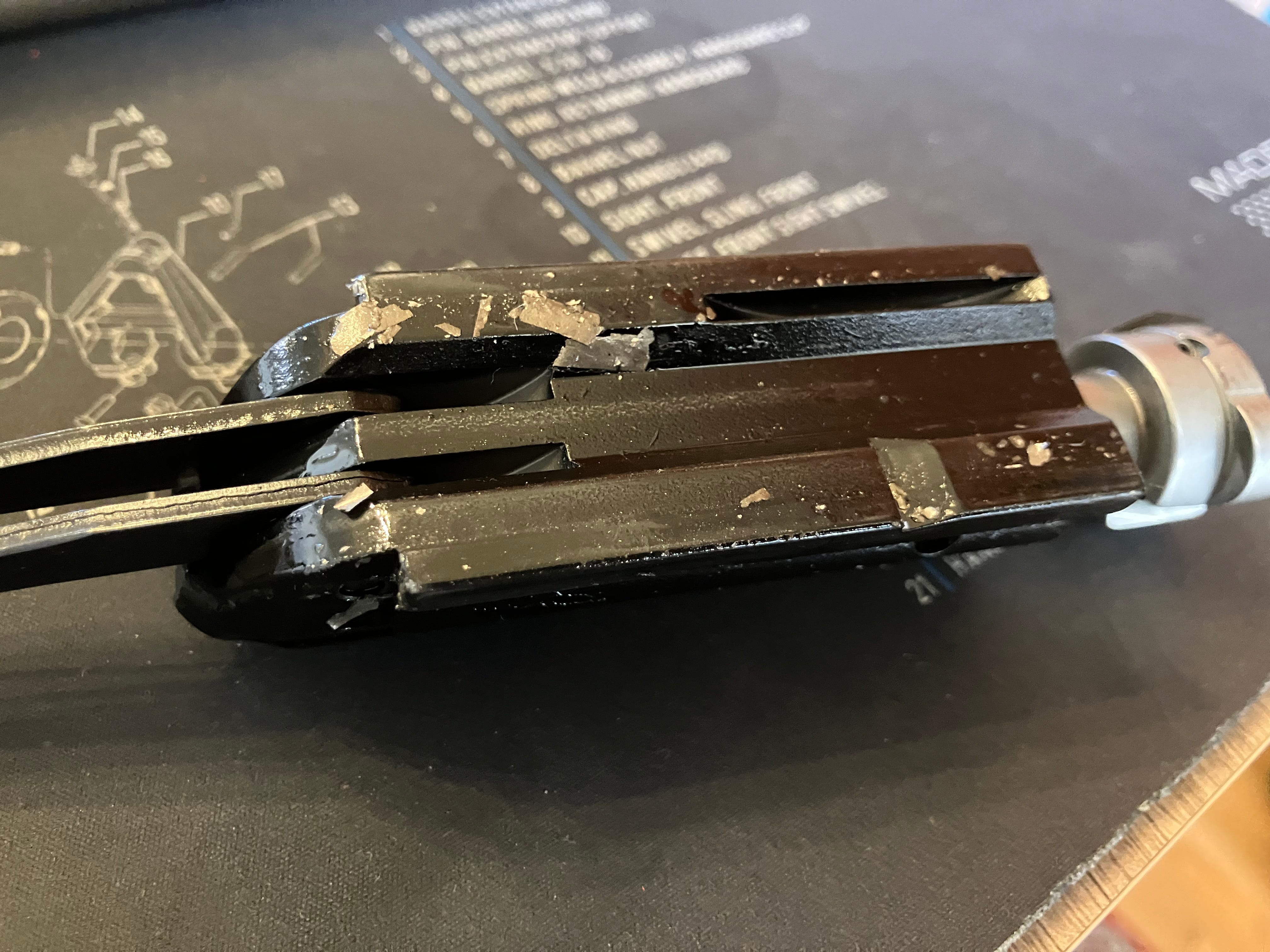
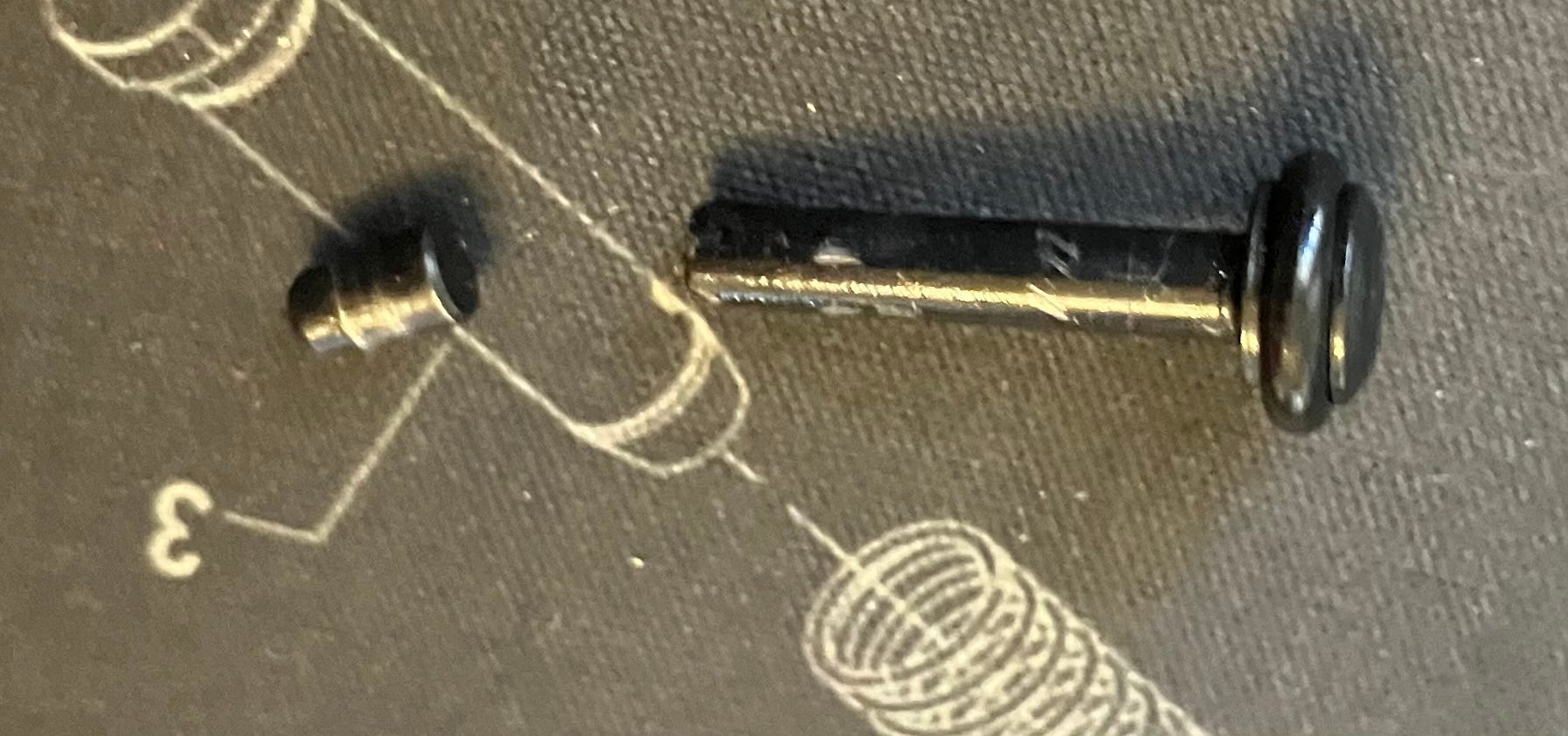
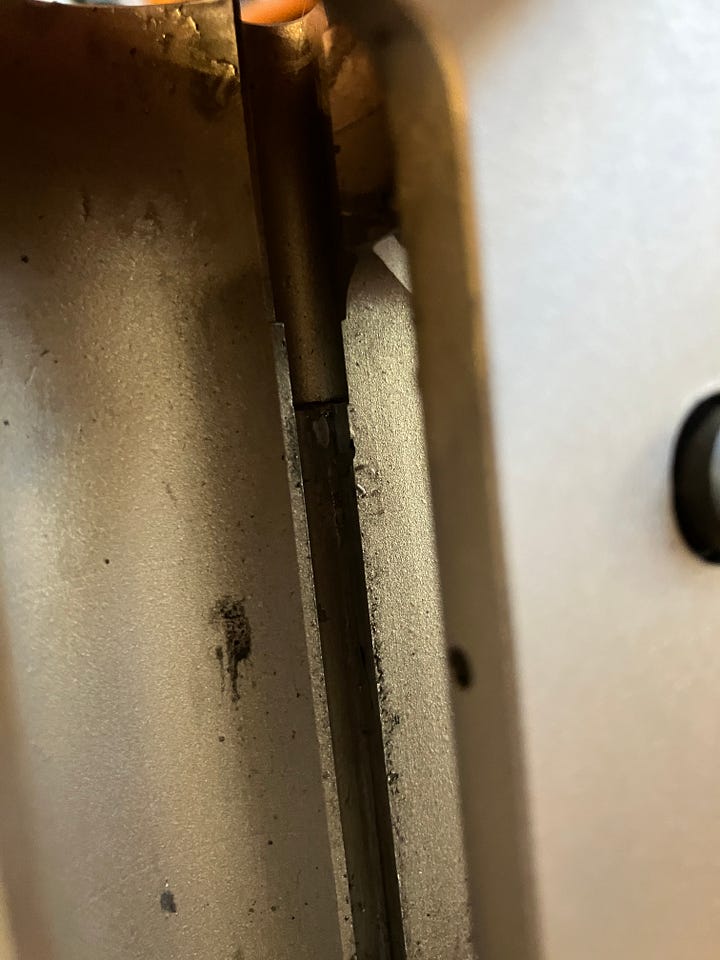
They fixed it, and it is an excellent choice for self-defense and probably would kick ass for competition. If there’s one place I might expect failure after high round counts, it’s going to be the ledge for the recoil assembly, but honestly — I think this thing will go for some time.



 The Black Campbell