Roleplaying Games


The April 2015 RPG Blog Carnival is being hosted by RPG Alchemy with the subject of “The Combat Experience.” I was mulling over what to do for this particular subject and found I had two or three different things that came to mind, so I’m going to do a series of posts regarding the “combat experience” in role playing games. Let’s roll…

The obvious question for me is “How do you role play combat?” I suspect the key to an effective fight scene in a game is to match style of combat to the genre being played and the expectations of that milieu. If one is playing low fantasy in the Conan-style, brutal but over the top descriptions that delight in the gore being created seems appropriate; high fantasy like The Lord of the Rings has a more nuanced approach, where good and evil are important, as is your intent. The violence could be brutal or not, but how it reflects the intent of the characters, and hence affects them in the aftermath is something to think about.

For a setting like Enlightenment-era swashbucklers — musketeers or pirates — the combat should be fun and elegant, the descriptions should be more about the fancy maneuvers and how they use their environment. Do you swing from chandeliers? Use the ratlines to avoid the stabs of that gap-toothed buccaneer? How do the opponents speak to each other — this is the period of respect for your enemy, repartee while fencing, not unfairly blasting your opponent with a pistol when swords have been offered. Similarly, Victorian-period games lend themselves to fisticuffs and swordplay over guns (unless you’re in the West…then strap up, greenhorn!)

For pulp games — the era that brought us the trope of masked avengers who use their fists and gadgets over guns (Batman, Daredevil, etc…they’re all the watered down version of the more vicious Shadow or Doc Savage.) These should be fights with strange opponents from Oriental martial arts and mystics, to torturous Nazis, or Thompson-weilding gangsters. While dangerous, that shot to the shoulder never has the hero worrying about an irreparable shattering of the shoulder ball, or a permanent tear to the innerspinatal rotator cuff, or a gushing, torn brachial or subclavian artery. Shoulders were ready made for bullet catching. Same with thighs — the femoral artery does not come into play.

But a military game set in one of the great wars, or fighting terrorists in contemporary times might be better suited to more graphic and realistic portrayals of violence, where theres little honor in surviving, bullets do either incredible damage or surprisingly small amounts, but lordy you really don’t want to get stabbed. (I have. Trust me.) Dealing with the horror and stress of combat might be an excellent driver for the characters to grapple with, and graphic descriptions of the damage done to the opposition (or to your character) might enhance the verisimilitude of the setting. Here, guns aren’t magic…they have an effective range, limited ammunition, and double gunning it while jumping across a room screaming “aaaaargh!” isn’t advisable. You might break something when you land. Body armor’s only so good, and injuries can be with you for multiple sessions.

For science fiction games, again, the tone of the setting is important to keep in mind. I don’t know how many groups I’ve seen playing Star Trek want to turn it into some version of Aliens or Starship Troopers. You stun you enemies in Trek…or try. You might punch out a Klingon, but there’s usually some soliloquy to working together that has to be delivered before you go get your tunic’s shoulder sewed back together. Babylon 5 might similarly require the good guys to try and favor honor over expediency, but in Battlestar Galactica that’s kinda stupid, since the toasters aren’t going to play fair, are they?

How about superhero games? There’s a tendency for some GMs to want to go “realistic” with people that can tear down a building with their hands. Think about that for a sec… Realistic with a character like Batman, Green Arrow, or Daredevil (seriously, check out the Netflix show — it’s amazingly good!) is doable. The character might get chewed up, but either they have an excellent medic cum butler, magic herbs, or jut go back into the fray badly injured. Dark and rainy, noir settings (neon, people…neon), and moral ambiguity work well with these settings — they are the descendants of the Shadow, after all.

This does not work for four-color heroes like Superman (talking to you, DC!) Good and evil might have some shades of gray, but the heroes are good, and the bad guys are bad. You might destroy a city block in a fight, but you’re probably being applauded by the public and the real estate companies, not sued by the insurance companies or on trial for reckless endangerment. You can cut a fine line with a campaign that draws from the likes of The Incredibles, but the tone is still a light one, not some brooding, angsty screed. Four color heroes fight in the day, over the city, where people can exclaim, or in a secret base or in space; they aren’t kicking some random criminal’s ass in an steam-filled alleyway.

For the combat experience you want, you have to know the tone of your game, your setting, and more importantly, your players and their expectations. If the characters are expecting a gritty sic-fi setting, talking uplifted otters might not (although they are unquestionable awesome!) If you are the scions of a society dedicated to rationality and peace, whipping out the blaster and burning down your enemies shouldn’t be something encouraged but doing so should entail a funky sound effect and a person that disappears neatly (Star Trek), or collapses in an amazingly bloodless heap (Babylon 5.) If you’re storming Normandy beach in your WWII game, body parts and blood, terror and deafness from noise, a confused description of the battlefield that involves confusing the players, just as their characters would be is perfectly acceptable.

Genre, however, isn’t the only thing to keep in mind. Player expectations are equally important and the players and their characters don’t have to have the same “experience.” Are your players squeamish? Maybe a detailed inspection of their opponents entrails they just slipped on isn’t the way to go. Are your players expecting their players to do incredible things while they fight crime in the underbelly of 1930s Shanghai? Realistic combat where they don’t mow through hordes of books might be disappointing, and there better bloody be some chop socky going on. Even if terrible things have happened to nice people, unless necessary to the tone and expectations of the players, you can alway just tell them they are horrified by the carnage they have just witnesses, or inform them the women are lamenting volubly.
Before we get all butthurt about the rest of the piece: 1) About the only people I discriminate against a folks with bad tattoos…you obviously make bad decisions, but hey! that’ll look great at 65! 2) I live in a state with a RFRA and that didn’t lead to flaming pyres with homosexuals roasting upon them. 3) As a libertarian (or “real liberal”) I don’t care what you do, so long as you don’t scare the horse, and everyone’s on board with it. So check the pro- or anti-gay bullshit at the door if you choose to comment.

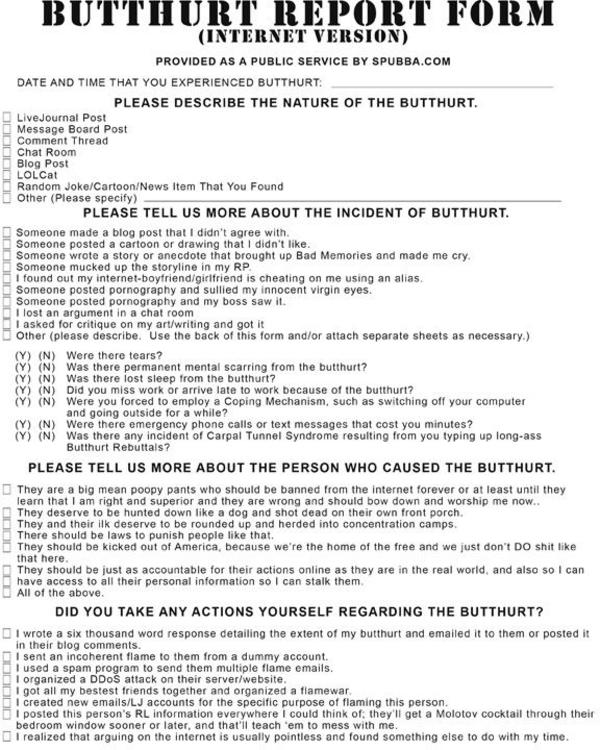
Oh, you might need this…

butthurt-form

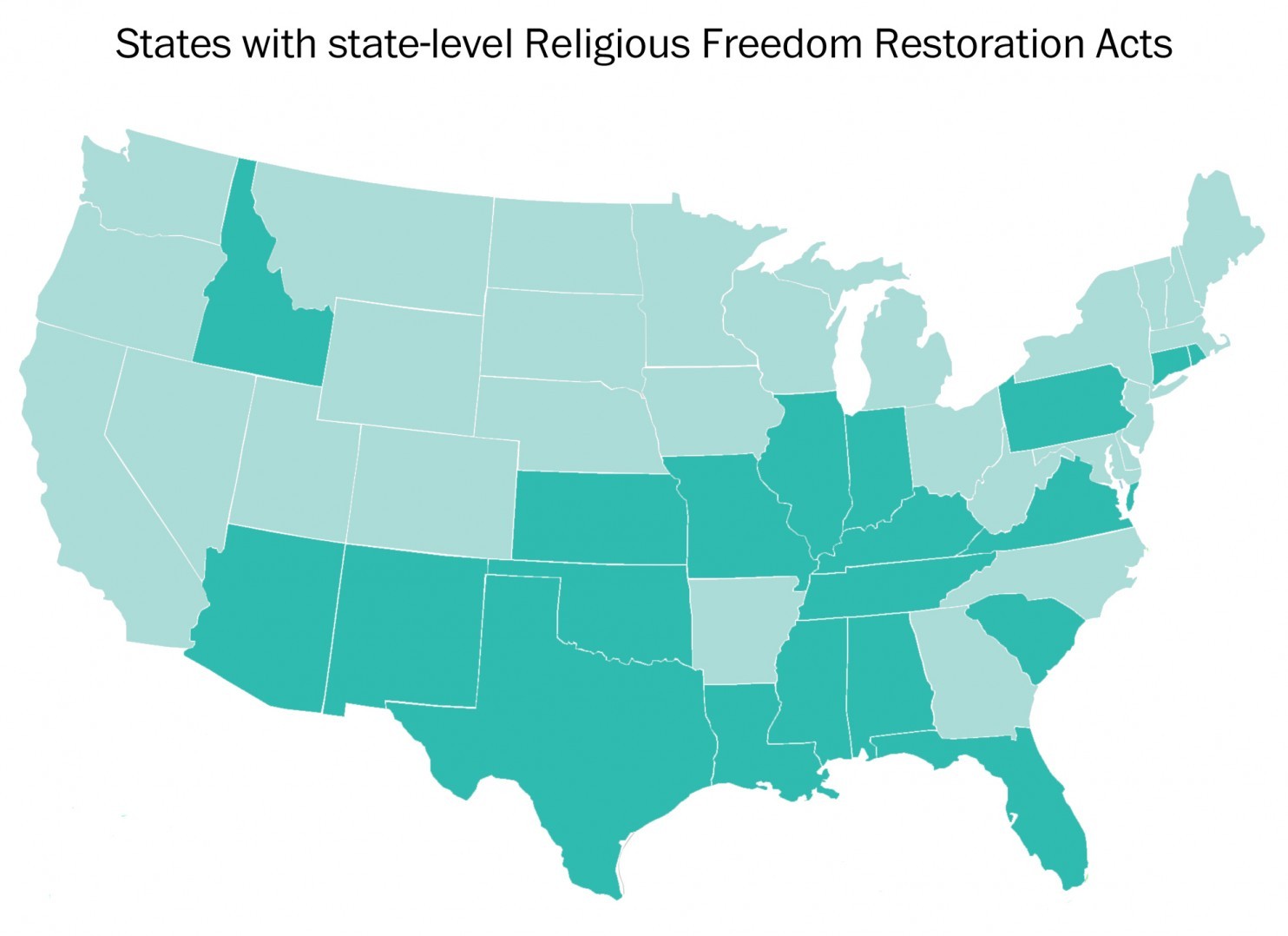
Indiana joined the ranks of 19 other states, and the federal government, that have some version of a Religious Freedom Restoration Act (or “riff-ra”) last week and the interwebz melted down with deliriously outrageous outrage. Apparently, the passage of this bill will lead to some manner of Auschwitz-style oppression of homosexuals in the state. You’d be well forgiven for thinking this if you’ve been getting your news Facefuck Facebook or some other mainstream media outlet (except Fox…then civilization is imperiled by the protests.) However, unless you are protesting and boycotting the other states on the map below, you’re a fucking hypocrite…or just really uninformed. You choose:

imrs

So doing what I know not a single one of the people complaining on Facebook has done, I RTFM (military folks know what this means, for the rest of you…) I read the damned bill before I opined. Novel, I know. Here’s a quick comparison of RFRA for those of you who can’t click here and read it.

What RFRA does, in this case, is — as in all of the other instances of this sort of law — establish that the state cannot “burden an individual’s exercise of religion unless the burden is of a compelling government interest and is the least restrictive means of furthering that interest. Here are some examples of what that means:

  1. The government’s compelling someone to do something that violates his religious beliefs, or prohibiting someone from doing something that is mandated by his religious beliefs.
  2. The government’s denying someone a tax exemption or unemployment compensation unless he does something that violates his religious beliefs, or refrains from something that is mandated by his religious beliefs.
  3. As to state and federal constitutional regimes, it’s not clear whether the above also applies when the objector’s conduct is merely motivated by his religious beliefs (e.g., the objector thinks it’s a religiously valuable thing for him to stay home on the Sabbath, rather than a religious commandment) and not actually mandated by those beliefs. The federal RFRA, many state RFRAs, and RLUIPA expressly apply to “any exercise of religion, whether or not compelled by … a system of religious belief.”
  4. The beliefs need not be longstanding, central to the claimant’s religious beliefs, internally consistent, consistent with any written scripture, or reasonable from the judge’s perspective. They need only be sincere.

RFRA laws got their start in 1993, mostly due to the 1990 Employment Division v. Smith decision (Google it — research is good for you…) with a federal law that “statutory presumptive entitlement to exemption from generally applicable laws.” This doesn’t not abnegate other civil rights or legal obligations, but places the burden — rightfully — on the government not the plaintiff and states the State cannot compel you to do something against your conscience. You know, that conscience that people respect until it doesn’t align with their conscience.. RFRA, as The Washington Post tells us, are “…about accommodating religious belief, not authorizing discrimination…” no matter what Tim Cook’s (or your Facebook friend from England or France or Germany, or wherever they are whinging from) opinion on the matter might be.

“But, Scott,” someone is currently wheezing through their vapors, “It will be used to discriminate against gay people!” 1) Happy people are cool and shouldn’t be discriminated against, no matter their sexual orientation, but in case you mean homosexual, then 2) no it fucking won’t. How do I know? Let’s look at a few cases where RFRA laws were involved in legal cases concerning discrimination by businesses against homosexuals.

New Mexico has a RFRA. We’re also a recent cynosure for religious vs. homosexual personal rights. Here’s some ways this has played out.

1) In 2006, a New Mexico church was using hoasca tea in their ceremonies…because it gets you high, if we’re going to be honest, but let’s assume that it is vital to their communications with whatever Almighty they worship. The federal government used the Controlled Substances Act to seize their hoasca and harass the membership. In a rare moment of protecting the interests of the people, the Supreme Court found against the government, thanks to RFRA.

2) Last year, a Elaine Photography was found to have violated the civil rights of a homosexual couple when they refused to provide services for their wedding. So right there is your precedent for why the Indiana law won’t discriminate against gays. It’s settled law.

But that’s just New Mexico, you say? I read in The Atlantic that it’s different in significant ways! Nope. But it says that religious protections exist even when the government isn’t involved in the case…well, that’s the pesky First Amendment for you; you can’t discriminate against me because I’m Christian, Muslim, Buddhist, an agnostic, or a Scientologist. Well…Scientologist…

It also establishes that companies, not just non-profits have the right to religious protections, similar to the Texas RFRA. This is due to the recent Burwel v Hobby Lobby decision. And what about Burwell v Hobby Lobby you ask? Even the creepily progressive rag Slate couldn’t find fault here –even Sam Alito, not a favorite of the Progressives, said the ruling was not a “…shield [for]…religious practice to escape legal sanction…” So that’s, again, precedence set by the Supreme Court of the nation. Nowhere, over the two decades of RFRA, has it been used successfully to discriminate against homosexuals.

You are, simply, wrong.

So why is everyone so fired up about this law? Here’s the truth: Progressives are trying to get in front of the 2016 election, in which Indiana governor Mike Pence was seen as a strong contender for the Republicans. They only wish this was happening in Wisconsin so they could go after Scott Walker. It’s political theater produced to make people who read headlines like they were the full story have a visceral, emotional reaction that goes viral on FaceTwitSpace.

You have, simply, been used.

Now, if after all that, you still want to boycott GenCon, here’s some good reasons — the prices for airfare,  admission, hotels, and food are too bloody high and Indianapolis should pay the price for their perfidy. Or so I read someplace.


Blaxploitation time!

Napoleon Jones

Concept Aspect: Undercover Brother; Omega Aspect: I Ain’t No Sell Out!

MODES: Martial Artist +3: Athletics, Combat, Notice +5, Physique, Stealth: +4, Will +3; Aspect: Bad-Ass Mutha f@#$er

Action +2: Provoke +3; Aspect: When you need me, I’ll be there…

Intrigue +1; Brother can’t be too sure…

STUNTS: Dragon Style: +1 combat in hand-to-hand, Weapon 1; Jive Talkin’: Use Will for Deceive or Rapport when “being bad.”; Lightning Reflexes: Go first in combat; Pain Ain’t Nothin’: 1/scene, check two physical stress and add, soak that value of physical harm; Ten-Oxen Punch: Fate point to break inanimate object

STRESSES: Physical: 4, Mental 5

Harry Milquetoast

Concept Aspect: Gentleman Spy; Aspect: Queen and Country

MODES: Banter +3: Contacts, Deceive, Provoke, Will +4; Aspect: Manners Maketh the Man

Action +2: Notice, Vehicles +3; Aspect: Judo Expert

Secret Agent +2; Aspect: This Requires the Greatest Discretion

STUNTS: Black Umbrella: +2 Combat using ‘brawley; Could You Help Me?: Use Deceive for Combat to attack unsuspecting opponent; Judo Black Belt: When defending with Combat, a success with style give a three shift hit to opponent; Signature Aspect: Britain’s Top Agent; Tech Sent This…: 1/volume can spend a Fate point to have a Mega-Stunt gadget limited to Contacts rating.

STRESSES: Physical: 3, Mental: 4

…and his sidekick…

“Coco Pebbles” Post

Concept Aspect: Breakin’ Barriers; Omega Aspect: I Ain’t Nobobdy’s Squeeze!

MODES: Banter +3: Contacts, Deceive, Provoke +4; Aspect: I Know a Guy…

Secret Agent +2: Notice, Vehicles +3; Aspect: I’m kinda new at this…

Action +1; Aspect: Kung-Fu Mama

STUNTS: ‘fro Pick: +1 combat, Weapon 1; Funky Kung-Fu: When defending with Combat, a success w/ style give opponent a 3 shift physical hit; I Don’t always Get Captured: A fate point allows her to concede after a defense; Impeccable Timing: Fate point to go next in combat;

MEGA-STUNT: Where’d You Hide That?: +2 to defend against search when in tight or revealing clothing; a Fate point allows her to have either 1) a small gadget to add +1 to a skill to overcome/create and advantage 1/scene OR, 2) have a Weapon 1 for 1 scene.

STRESSES: Physical: 2, Mental: 4


Here’s a few characters to fit in the early Cold War:

Artemis Campbell

Concept Aspect: Smuggler Queen; Omega Aspect: The Med is Mine

MODES: Master Criminal +3: Notice +5, Combat, Contacts, Deceive, Stealth, Vehicles+4; Cold Warrior for Capitalism

Action +2: Provoke +3; Aspect: Former Greek Partisan Fighter

Intrigue +1; Big Swiss Bank Account

STUNTS: Deep Cover: Use Deceive for Provoke/Rapport when in disguise; Die Another Day: Fate point to concede after defense; Little Black Book: When in a new town, etc. Contacts v. +4 to gain contact-based aspect with free invoke, can trade invoke for second aspect;

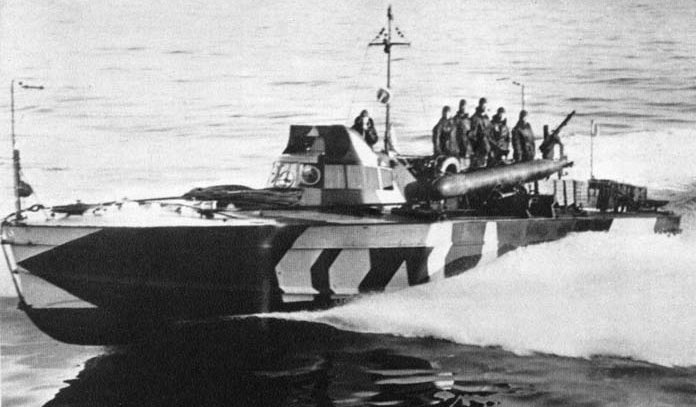
MEGA-STUNT (1940s): Pikros (MAS-205); Function: Fast Torpedo Boat; Flaw: Seen Better Days; Fast Boat — +2 to overcome with vehicles in chase; Smuggling Hold — +2 to defend against searches.

MAScamo

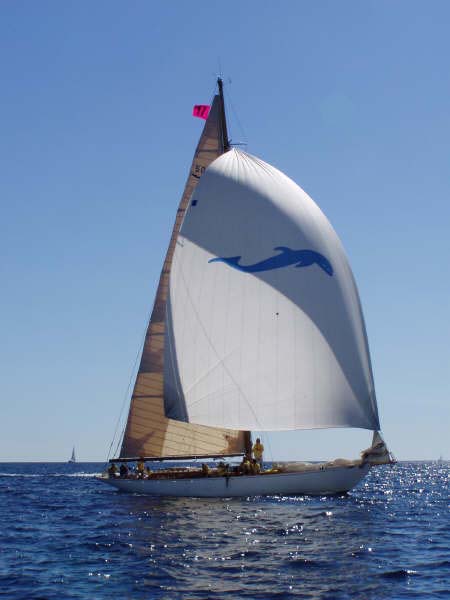
MEGA-STUNT (1950s): Ariel, Function: 60′ Yacht; Flaw: Wind-Powered; Smuggler’s Hold — +2 to defend against searches; A Beautiful Boat — +2 to create social aspect with Rapport when Ariel is involved.

sylphe under spi 1

STRESSES: Physical: 3, Mental: 3

Major John Nolan, USAR, OSI

This is a post-war version of Nolan, now working for the new Office of Scientific Intelligence.

Concept Aspect: Cold Warrior; Omega Aspect: Same war, different tactics…

MODES: Secret Agent +3: Contacts +5, Deceive, Notice, Vehicles +4; Aspect: Protecting the free world.

Soldier +2: Will +3; Aspect: Things were simpler during the war…

Banter +1; Aspect: The truth is complicated…

STUNTS: Cover Story: Use Deceive to defend against interrogation; Mega-Stunt Gear: 1/volume, can spend a point to have high tech gear with a rating no higher than his Contacts; Got It Off a Nazi Officer…: +1 to combat with a Weapon 1 (Walther P-38 9mm); Signature Aspect: Our Best Man…; Shake It Off: 1/scene, can check two physical stress boxes & add values, then soak that number of physical shifts.

STRESSES: Physical: 3, Mental: 3

Nigel Rainey

Concept Aspect: Cat Burglar Turned Spy; Omega Aspect: Better than prison…

MODES — Intrigue +3: Notice +5, Athletics, Burglary, Contacts, Deceive, Stealth +4; Aspect: I thought you were in jail…

Secret Agent +2: Vehicles +3; Aspect: Jet-Setter

Actions +1; Aspect: Combat means you screwed up.

STUNTS: Come Alone: +2 to overcome w/ contacts when alone & meeting contact; Deep Cover: Use Deceive for Rapport or Provoke when under cover; Didn’t See Me Coming: Use Stealth for Combat when your target is unaware of you; Master Plan: Allies can invoke an aspect you’ve made at +3; Second Story job: +2 Athletics for climbing.

STRESSES: Physical: 4, Mental: 2

 Richard Crichton

Concept Aspect: The Wheelman; Omega Aspect: Adventure is Calling!

MODES: Wheelman +3: Notice, Vehicles+5, Contacts, Mechanic +4; Aspect: If it’ll start, I can drive it.

Action +2: Athletics +3; Aspect: Race care driver

Intrigue +1; Aspect: High Profile is my cover

STUNTS: Bar Room Brawler: +2 Combat using fists; Just a Good Ol’ Boy: +2 with Vehicles to create aspect with stunt maneuver; Peddle to the Metal: +2 vehicle to overcome in a chase; Quick! Turn Here!: In a chase, use Vehicle for Stealth to hide from pursuer; Rev’ It: Use Vehicle for Provoke to intimidate with a vehicle.

STRESSES: Physical: 3, Mental: 2

Some of the characters done up for the WWII flashbacks for the upcoming campaign…

Captain John Nolan, USAR

Nolan commands a small team of “action scientists” in Echo Company, of the Strategic Science Division of the US Army Corps of Engineers. Much of E Co.’s work had been in Europe, but with the Germans out of the fight, they find themselves facing the notorious Japanese Unit 723 and their Division X!

Concept Aspect: Combat Engineer; Omega Aspect: When all this is over…

MODES — Soldier +3: Notice +5, Athletics, Combat, Physique, Tactics, Vehicles, Will +4; Aspect: Violence First, Science Later

Science! +2: Civil Engineer, Mechanical Engineer +3; Aspect: Been on some big projects…

Action +1; Aspect: From a Tough Neighborhood

STUNTS: Battlefield Commander: Any of his team that can hear his order gain +2 when put in harm’s way; Remember your Training: Get +3 when invoking enemy’s aspect or complications; This is My Rifle: +2 to combat with military weapons; This is my Gun (Thompson .45): Weapon 2; Shake It Off!: 1/scene, check two physical stress boxes and add values; soak this number of shifts physical harm.

STRESSES: Physical: 4, Mental: 3

Lieutenant Sebastian Koch, USAR

Concept Aspect: Enthusiastic New Guy; Omega Aspect: Is that a German Accent?

MODES — Science! +3: Biology, Will +5, Chemistry, Notice, Zoology +4; Aspect: ABD, Scrips Institute

Action +2: Athletics, Provoke +3; Aspect Family Escaped the Nazis in ’38

Banter +1; Well-Educated

STUNTS: Charismatic: Use Will for a Banter skill to overcome in social conflict; Chicago Typewriter: +1 combat with the weapon, Weapon 1; Grew Up Around Boats: +2 Vehicle to create/overcome aspect with boats in a chase; Publish or Perish: Gains +3 when using a brainstorm aspect he created; Widely Read: Fate point to use Will for a science skill for one scene.

STRESSES: Physical: 3, Mental: 3

Lieutenant Reed Smith, USN

The young and handsome commander of a PT boat put at the SSD’s disposal.

Concept Aspect: PT Boat Commander; Omega Aspect: First Heroics, Then Politics!

MODES — Officer +3: Athletics, Combat, Contacts, Notice, Physique, Vehicles, Will +4; Aspect: Sailed the America’s Cup

Banter +2: Provoke +3; Aspect: Rhode Island Royalty

Action +1; Played Football for Yale

STUNTS: Just a Little Chop: +2 Vehicles to overcome in bad weather; Passionate Orator: Use Will for Banter skill when addressing a large group; She’ll Hold together: Any vehicle he pilots gains an Armor 2; Skull & Bones: When in a new place, Contacts v. +4 to create a contact-based aspect. Can trade a free invoke for a second aspect;

MEGA-STUNT — PT-111 (“Trip Aces”): Function: PT Boat; Flaw; Limited Range; Aspects: Torpedo Boat — Weapon 4; Weapon 5 at a cost; Fast B*@#$: +2 to overcome with a vehicle in a chase.

STRESSES:  Physical: 4, Mental: 4

AMM3 Leslie Rook, WAVES

Concept Aspect: Ms. Fix-It; Omega Aspect: Just as good as a man!

MODES — Gearhead +3: Aerospace Engineering, Mechanical Engineering +5, Electrical Engineering, Vehicles, Will +4; Aspect: Machines are Easy, People are Hard!

Banter +2: Provoke +3; Sugar & Spice, and Everything Documented

Action +1; Mean Right Hook.

STUNTS: Chewing Gum & Bailing Wire: Fate point reduces vehicle consequence 1 step for  one scene, but consequence increases two steps after until recovery; Improvisational Genius: 1 free benie on create/modify an invention or vehicle; Girls Talk: When in a new post, Contacts v. +4 to have a contact-based aspect, can trade free invoke for a second aspect; She’ll Hold Together: Any vehicle she worked or works on has an Armor 2; Tool Kit: +1 to create/overcome with engineering.

STRESSES: Physical: 2, Mental: 3

So I’ve been prepping up an Atomic Robo game over the last few months, but really threw myself into it a few weeks ago when it was obvious that our Battlestar Galactica campaign was coming to a close. I wanted to emulate the flashbacks-tied-to-modern-story flavor of the comic…but without using Robo, so I decided to do up characters for each of the decades between the 1930s and today. The modern group is working for the following faction:

Office of Scientific Intelligence, a DoD operation that was spun out of a superscience group under the US Army Corps of Engineers during WWII.

Mission Statement: On the forefront of science!   Mode: Fair (+2); Resources (Intel +4, R&D+3)

The team leader:

Agent Craig Scott

Concept Aspect: Smooth Operator; Omega Aspect: Getting too old for this…

MODES: Secret Agent +3 — Contacts, Deceive +5, Burglary, Notice, Stealth, Vehicles +4; Aspect: Keeping the World Safe…Quietly.

Banter +2 — Rapport, Will +3; Aspect: I can talk myself into trouble, then out in a sentence…

Intrigue +1; Aspect: I used to be good at this…

STUNTS: (1 open)

Cover Story: Use deceive to defend against mental attacks during interrogation.; Director’s Personal Number: When in a new city/country/etc., Contacts v. +4 to gain an aspect from the contact with a free invoke. Can trade the free invoke for a 2nd aspect.; Service Weapon (SIG-Sauer P228): +1 combat with the weapon, Weapon 1.; Trained Assassin: Use stealth for physical combat when the target is unaware of you.

Stresses — Physical: 2, Mental: 5

Dr. Rafael “Rafe” Marquez

Concept Aspect: Hunky Doctor; Omega Aspect: Knowledge is its own reward.

MODES: Science! +3 — Genetics, Medicine +5, Notice, Will: +4; Aspect: Johns Hopkins…’nuf said.

Action +2 — Athletics +3; Aspect: Weekend Fitness Nut

Banter +1; Aspect: I do okay…

STUNTS: 1 open

Feel the Burn: 1/issue, take a consequence to add that value to a physical test; Medical Bag: +1 to step back a consequence with Medicine skill; One Raised Eyebrow: +2 empathy to defeat lies; Publish or Perish: Can invoke a brainstorm he created at +3

STRESSES — Physical: 3, Mental: 4

Dr. Paul Koch

Concept Aspect: Underestimated Genius; Omega Aspect: Truth is stranger than we know.

MODES: Science! +3 — Biochemistry, Cryptobiology, Notice +5; Aspect: Thin Line between science fact and science fiction

Action +2; Aspect: Being a hero is tough…

Intrigue +1; Aspect: Secrets are hard…

STUNTS: 1 open

Red Eye Radio: When gaining an aspect from a contact, invoke is free or can exchange a free invoke for an extra aspect.; Shake It Off: 1/scene, can check to physical stress boxes and add the values, then absorb that many shifts of damage; Synergy: with a Fate Point, use Notice for any science skill for 1 scene; Publish or Perish: When invoking a brainstorm aspect he created, get +3.

Agent James Crille

Concept Aspect; Action Engineering!; Omega Aspect: In it for the fun.

MODES: Martial Artist +3 — Notice +5, Athletics, Combat, Physique, Will +4; Aspect: At one with the violence.

Science! +2 — Civil Engineering, Mechanical Engineering +4; Aspect: Right tool for the right job.

Action +1; Aspect: Parkour, bitches!

STUNTS:

Feel the Burn: 1/issue, take a consequence to add that value to a physical test; Multi-tool: +1 to create/overcome with engineering; Numbers Cruncher: With a Fate Point, use Will for a cience skill for 1 scene; Parkour: +1 to create/overcome aspect with Athletics; Shake It Off: 1/scene, check two physical stress boxes and add values then absorb that number of shifts of damage.

STRESSES — Physical: 4, Mental: 3

Agent Mala Kapoor

Concept Aspect: Tech Industry Refugee; Omega Aspect: My gender shouldn’t matter!

MODES: Science! +3 — Cybernetics, Robotics +5, Notice, Will +4; Sufficiently Advanced Technology

Intrigue +2 — Contacts, Deceive +3; Aspect: I survived tech sector politics.

Banter +1 — Rapport +2; Forgiveness is easier than permission.

STUNTS:

I’m In!: 1 fate point to use computer science instead of burglary for one scene; Laptop of Doom!: +1 create/overcome aspect with computer science; Numbers Cruncher: 1 fate point to use Will for a science skill for one scene; Publish or Perish: When using a brainstorm asepct she created, gain +3; The Girls’ Club: In a new city, country, etc. Contacts v. +4 to gain a contact-based aspect with free invoke. Can trade free invoke for a second aspect.

STRESSES — Physical: 3, Mental: 4

This weekend we finally got around to playing Wild Talents, a superhero game that uses the “One Roll Engine” and here’s the basic impressions I came away with:

1) The intention seems to be to make the mechanics very quick and streamlined…it can play that way, but I think you have to have played it a few times before you are really comfortable with it. In moments of play where the player has to make a test, you roll a number of #d10 equal to your skill and attribute, or your power’s rating. You then look for matches — say three 7s (or 3×7) is a pretty good result. You want to beat the highest set of matches or highest number the opponent rolls. In play, it slows things a bit trying to figure out what matches you have, but it was nowhere as bad as the rules read or I expected.

2) Powers — we built characters for a low-level campaign (250 pts, if you need to know) and even then, my mentalist was powerful. Twice in the session, I used my mental blast and sent both targets to Hades with a thought. I had planned on him being strong, but not that strong. His ability to mold people’s thoughts — he main ability — was 7d10. At no point did he had much trouble with the opposition. Physical powers, however, do not appear to be quite as deadly, but we still accounted for a half dozen bad guys without too much trouble.

This seems to fit with my initial assessment that the purpose of the game was a “dark” supers environment where “shit gets fucked up quick.”

3) Character generation: I took a crack at this, gave up, and sloughed it off on the GM. It’s far too complex to be fun making a character. It reminds me of old Champions…but more annoying.

So at this point, I think I’m going thumbs down on Wild Talents, although if you get an enthusiastic GM who knows the system, it might be worth it.

One of the bits I particularly liked about Mindjammer, the RPG, as well as Atomic Robo was the way they built organizations up (factions in the latter.) As Firefly is a Cortexified version of Fate, or a Fatified version of Cortex — take your pick — I thought it might be fun to introduce this in the Big Damn Game.

Pretty much any kind of organization can be represented — from an army unit to a military organization, from the local PTA to a company to a government. Like characters, they have the three attributes, but these have slightly different connotations:

PHYSCIAL: This is the extent of the manpower,  physical holdings, or presence of a company. An organization with a local/less than planetary presence is a d4, a planetary presence is d6, presence in one of the star systems of the ‘Verse d8, multiple systems d10, and ‘Verse-wide d12. Blue Sun, for instance, has a Verse-wide reach for its products, but does not appear to be present on every world and moon of the ‘Verse, so it would be a d10 (or a d8, if the GM decides that the company has offices and factories only in a select few worlds of each sun.) The Alliance is just about everywhere in the Black, so it runs a d12.

MENTAL: This represents the brainpower of the organization, and  is the ability to gather economic (or other) data, utilize that for its advantage, to create new product or do other forms of research. The average government of a moon is lucky if it can muster a d6, but the Alliance has a d10 and is striving for d12.

SOCIAL: This is the public relations wing, the reputation of the organization and represents the extent of its reach in society. While Blue Sun might barely make a d10 for their physical locations and manpower, they are a definite d12 Social for their near ubiquitous impact on product and culture, from food to entertainment, to medicine. Likewise, the Alliance is very powerful, but the impact of the War has not yet been overcome and many worlds still look to avoid dealing with the Alliance or actively oppose their operations. That puts them at a d10.

A character working with these groups could, for a plot point, exchange their attribute for the attribute of the organization when dealing with a situation, or to create an appropriate asset. Near some men to help you open that Kuzko Shop-Mart on Regina? A plot point and you’ve got yourself a posse of SHOPHANDS d6 ready to help you establish franchises all over that backwater dirtball! You’ll be home on Ariel in just a few weeks, at this rate! Need a bunch of men with guns to catch those fugitives you’ve been hunting? Good thing you’re working for Maximum Impact Security Services — MISS has offices all over this system and a quick call on the Cortex got you HIRED GUNS d6. Yahoo.

Problem is, if you’re working for these groups, they expect results will be shiny. Screw it up, and your use of their assets can cause a Complication for the company — that Kuzko setup went swimmingly and now you have a presence in the few towns worth a squint…and possibly just raised Kuzko’s footprint in the Border worlds, raising them from a d6 to d8 Physical. Sounds like someone’s getting a promotion!

Shame that hunt for those fugitives went pear-shaped. Might not have been so bad, save for the very public use of MISS mercs in town. Did you really have to take down a schoolhouse? MISS is bracing for the WHERE’S THE OVERSIGHT? d6 complication you got slapped on them. Great work, greenhorn; we wish you luck in your future endeavors…’course, we’ve also slagged your name from here to Blue Sun, so good luck finding legitimate gunwork.

If an organization is hit for more than a d12 complication, it’s “taken out” — if this was a physical operation, like a military operation, this means the unit is either destroyed, or routed and no longer a threat. If a mental one, the research might have wound up a dead end, or bad management led to a hemorrhage of talent. A social event that took out a company so badly damages their credibility as to impair their operations. The organization steps that die down. If they go under d4, the organization is destroyed.

Organizations also have skills — the GM should decide with are appropriate for the organization. They should also have some kind of MISSION STATEMENT distinction (Kuzko’s “Best prices on the border”, for instance…) and two others that are appropriate like Blue Sun’s “Biggest Corporation in the Verse” or the Alliance’s “We’re from the government….” they can use.

An example of an organization might be Kuzko Shop-Mart…

Kuzko Shop-Mart

Mission Statement: Best Prices on the Border d8

Distinctions: Terrible but Cheap Labor Practices d8, Largest Logistics Network in the ‘Verse d8

Attributes — Physical d8, Mental d8, Social d8

Sills: Influence d8, Labor d6, Survive d6

Kuzko started as a purveyor to the Independent movement, but toward the end of the conflict quickly shifted to a commercial focus to avoid any repercussions from the War. Their large Border network of suppliers and buyers allowed them to swiftly gain a foothold in several major markets, and the perception of their having been Independent allowed them to build a loyal customer base. The company is know for having the best prices, for always hiring, and for being a royal pain to work for, with lackluster pay and an aggressive cost containment strategy.

So there’s a quick hash-up of rules for organizations in Firefly. Feel free to comment or make suggestions for how to make them better.

One of the few complaints that we had when we tested Firefly against Serenity was the monolithic quality of the attributes — Physical, Mental, and Social. We felt that this didn’t allow the characters to be unique enough in some ways. So here’s my “fix” for the attributes in Firefly…use the attributes from Serenity.

When making a character, use Agility, Strength, Vitality, Alertness, Intelligence, and Willpower, and build the character for 48 points — that gives you the same d6, d8, and d10 (x2) dispersion of Firefly. You can use these more varied attributes to customize your characters even more. Some maybe your character is very strong, but can’t walk through an empty room without tripping. In Firefly, you might have chosen a d8 to balance these traits, or gone with d10 to model the big bruiser you wanted to build. With this you can give the character a d6 Agility and d10 strength.

What about Social? Here the old attribute would be Willpower.

Otherwise, you roll the same way as you do with unadulterated Firefly.

The latest supplement for the Firefly RP dropped this morning as a PDF; the print book is a few weeks away (my guess.) I had a chance to skim the book well enough to do a quick review of the product. Smuggler’s Guide to the Rim is primarily a GM resource and pre-generated adventure supplement. At 291 pages, almost half of it is a pair of adventure campaigns, maps, appendices with Chinese comments for players to throw off for verisimilitude. The rest of the book is primarily a new reputation mechanic, new templates using these rules for character and spacecraft creation, and the “Good Shepherd Run” — a cargo/passenger run that provides locations, GMCs (GameMaster Characters), and ships for your campaign.

Style: 4 out of 5 — it’s the usual high quality MWP has had since the Cortex Plus lines started rolling out. It’s well written and edited, the art is mostly screencaps from the show, photos of characters in appropriate dress, and some good quality “game art.” The whole thing is nicely hypertext linked so you can bounce around the book as you need. The print version, I suspect, will be softcover and should be a nicely done as the Things Don’t Go Smooth supplement.

Substance: 3 out of 5 — For me, this wasn’t the best supplement I’ve bought, but it wasn’t the worst. If you like to run pre-generated campaigns, bump the Substance up to 4 out of 5. The reputation mechanic is nicely done, the templates for character creation is very useful, and the settings of the Good Shepherd Run is good material to use in a pinch.

Is it worth it? The PDFs on Drive Thru are usually marked down to $17ish bucks. For that, yes, it’s worth it; the print book/pdf combo was $30 for me. Is it worth it? If you use the adventure material, it’s a definite buy; if you don’t….meh….

However, the Firefly line is definitely a labor of love for the people at MWP, and it shows. I haven’t done more than run a few adventures, but I haven’t felt bad supporting the line, thus far. Since it’s pretty easy to tweak the material for the original Cortex rules, if you prefer, I’d say buy it.

« Previous PageNext Page »